
Introduction
Climate change is a global challenge driven mainly by human activity. Characterized by increasingly severe weather events, this phenomenon significantly exacerbates public health problems (Levy et al. 2017). Climate change can aggravate the already fragile public health infrastructure and conditions in the Horn of Africa. The Horn of Africa, including Djibouti, Eritrea, Ethiopia, Kenya, Somalia, South Sudan, Sudan, and Uganda are particularly vulnerable to climate change. This region has witnessed an alarming impact of persistent climate extremes, including the worst drought in over four decades, often followed by devastating localized floods (WHO 2024). This intensifies existing social problems and health challenges and creates the potential for new public health problems. In 2022, the Horn of Africa recorded the highest annual number of climate-related disease outbreaks and health emergencies, illustrating the escalating health crisis (VOA 2022; DownToEarth 2022). Compounding these challenges is the region’s rapid population growth, which is currently estimated to be between 324 and 330 million. By 2050, the combined population of these eight countries is projected to reach approximately 526 million, resulting in an expected increase of about 60% in the number of individuals requiring adequate quality and quantity of food, shelter, clothing, and clean water.
Climate change, compounded with expected population growth, is a significant challenge to the Horn of Africa. Those heightened vulnerabilities necessitate innovative thinking and the development of proactive, long-term strategies to address the challenges. Policymakers in those countries need to coordinate their resources and develop evidence-based social policies. The WHO conservative estimate suggests that between 2030 and 2050, climate change is expected to cause approximately 250,000 extra deaths annually, from malnutrition, malaria, diarrhea and heat stress alone (WHO 2024). The Horn of Africa is facing a complex and alarming public health crisis, as drought, severe food insecurity, water scarcity, and the reemergence of infectious diseases are expected to further intensify in the coming years (WHO 2024, 2022). The situation is increasingly urgent, and the impacts on communities will be profound, necessitating the development of visionary leadership and climate change-smart policies (Dugassa 2021).
The Horn of Africa is grappling with a hefty burden from the impacts of climate change and the escalating costs of adaptation and mitigation, despite its minimal contribution to global emissions. The continent is experiencing temperature rises that surpass the global average, leading to increasingly severe and persistent multi-year droughts. Climate change has made crop and livestock responses to drought much more severe due to lower rainfall and increased evapo-transpiration (ET) caused by higher temperatures, in a world that is now nearly 1.2°C warmer than pre-industrial times (World Metrological Organization 2023). Catastrophic floods have also wreaked havoc, causing substantial damage to infrastructure and communities. In addition, rising sea levels threaten coastal cities and vital agricultural land, compounding the region’s vulnerabilities. As African nations confront mounting climate-related costs that span social, economic, political, cultural, and environmental dimensions, they are witnessing profound disruptions that fracture social structures, strain institutions, and challenge established relationships.
Furthermore, climate change poses a significant threat to environmental health. Those risks encompass essential elements such as clean air, safe drinking water, adequate food production, and the availability of safe spaces for children to play, grow, and learn—factors that are essential social determinants of health. As climate change progresses, these determinants are increasingly eroded. Climate change counters the WHO sacred idea of “the right to the highest attainable standard of physical and mental health” (WHO). The economic-political capacity to manage this crisis and reorganize society to implement transformative solutions is being rigorously tested, alongside the cultural frameworks that have supported communities for generations. To effectively address the complex challenges arising from climate change and population growth, it is crucial to embrace public health principles that emphasize prevention and resilience. By identifying the root causes and underlying mechanisms of climate change impacts and investing in robust early warning systems, we can protect both lives and livelihoods against the escalating climate crisis.
During 2022/2023, the Horn of Africa experienced a severe and protracted drought, resulting in significant losses across the region. In just one year, billions of Dollars worth of resources was depleted, with an estimated 10 to 13 million heads of livestock—including cattle, sheep, goats, and camels—dying across Ethiopia, Kenya, and Somalia. Ethiopia lost approximately 4 million animals, Somalia lost between 3 and 3.5 million, and Kenya lost about 2.5 million. This catastrophic loss of livestock devastated the primary means of livelihood, income, and food security for countless pastoralist and agriculturalist families. The financial toll from the livestock losses alone was around $1.5 billion. To grasp the full scope of this disaster, two critical points must be considered. First, for these communities, livestock represents their very means of survival. Second, many herders and agriculturalists support large families (WHO 2024, 2022).
According to the United Nations Office for the Coordination of Humanitarian Affairs OCHA, in 2022/23, over 43 million people in Kenya, Ethiopia, and Somalia required food assistance due to the severe drought. Tragically, more than 43,000 individuals lost their lives in Somalia, including 20,000 children (UNOCHA 2023). The effects of this crisis will likely resonate for decades. Reflecting on questions such as “What are the costs of prevention compared to intervention? How long will recovery take? What measures are needed to avert such disasters?” can offer valuable insights into the ongoing challenges these communities face. By asking these questions, we are encouraged to think “upstream” to identify the root causes of the issues and to develop cost-effective social policies.
Historical evidence illustrates that epidemics have served as both catalysts and repercussions of major historical events, including the fall of great empires such as the Roman and Ottoman Empires (Kennedy 2023). They have also played a significant role in empire-building, evident in the Spanish and Portuguese empires in South America, as well as the British, French, and Spanish colonial empires in North America. In the Horn of Africa, Italian colonial forces introduced the Rinderpest virus (cattle plague), which decimated 95% of the local cattle populations and profoundly disrupted the region’s social and ecological dynamics. The colonizers exploited this disease as an opportunity to easily subjugate the targeted groups. The cattle disease incapacitated mixed farmers and pastoralists, altering social relations among various ethnic groups. Pastoralists and cattle breeders, such as the Oromo and Maasai peoples, endured significant hardships as a result. These compelling facts underscore the urgent necessity of developing and implementing effective climate change mitigation strategies to address the public health challenges posed by these changes. Diversifying the economy stands out as one of the key strategies (Dugassa 2018; Tiki and Oba 2009).
The period of the Rinderpest cattle epidemic in Western Oromia is known as Bara nama nyataa, or the “epoch of the human eater.” This term describes the dire situation that arose from the loss of cattle due to disease, which led to widespread starvation and left many individuals not to tend to the dead. Consequently, wild animals, previously unconditioned to such behavior, began to attack the living, having adapted to consuming the unburied human corpses. In southern Oromia, this era is referred to as Cinaa, meaning “cut off.” This term reflects the profound disruption caused by cattle diseases and the resulting decline in cattle populations (Tiki and Oba 2009), straining traditional Oromo institutions and their social fabric (Dugassa 2018). Communities in the Horn of Africa have long experienced extreme weather events. Addressing this requires transformative social-ecological policies to mitigate risks and prevent public health issues. The Oromo scholarly organization should actively support these policy initiatives.
Research questions
This paper asks and seeks to answer the following questions: What are the socio-ecological mechanisms and processes by which climate change is implicated in public health problems in the Horn of Africa? What are the cost-effective and locally acceptable management strategies and policy recommendations that can enhance community resilience against climate-induced health crises in the Horn of Africa? Additionally, the paper explores how integrating traditional knowledge with scientific approaches can strengthen adaptive responses in vulnerable communities.
Objectives
This paper has three objectives; (1) The primary objective is to use the “upstream, midstream and downstream thinking metaphor,” which is widely used in public health, to identify how climate change contributes to public health problems, (2) The secondary objective is to apply the public health metaphor of “upstream thinking” to mitigate the effects of climate change on public health, and (3) The tertiary objective is to promote “upstream thinking” and enhance the capacity to forecast, prevent, and reduce the impacts of climate change on public health at both the midstream and downstream levels.
Applying Public Health Framework
The conceptual foundation of this research paper is rooted in public health methodologies, particularly the approach of understanding issues at the “upstream, midstream, and downstream” levels. Upstream thinking involves identifying the root causes of climate change and implementing effective preventive policies that are financially feasible, culturally acceptable, and that fruitfully address these fundamental challenges. Midstream thinking focuses on the immediate challenges posed by climate change, and the proposed solutions to address them are costly. Downstream considerations arise from the repercussions of neglecting action at the upstream and midstream levels, leading to problems—such as individual treatment and chronic diseases, including infection and malnutrition—that are frequently too expensive to resolve at this final stage.
Data Collection and Analysis Methods
This study applies knowledge synthesis methods proposed by the Canadian Institutes of Health Research (CIHR) within a public health framework to compile evidence on the stresses and social burdens resulting from climate change in Horn of Africa countries. Knowledge synthesis methods are structured, transparent, reproducible, and replicable frameworks designed to integrate existing research and address complex questions in the health, social, and environmental sciences. In contrast to traditional literature reviews, these methods rigorously contextualize findings and identify research gaps to inform evidence-based policy and clinical practice. Logical reasoning is central to this process, enabling researchers to connect disparate data points into a cohesive narrative (Whittemore et al. 2014). Three primary reasoning pathways are typically employed. Deductive reasoning, widely used in evidence gap maps and framework synthesis, applies predefined categories to organize and validate data. Inductive reasoning, commonly utilized in qualitative syntheses such as meta-ethnography, is instrumental in generating new theories by observing how primary studies converge into broader understandings. Interpretive reasoning, frequently applied in critical interpretive synthesis, treats contradictions as “higher-order data” to explain variations in outcomes across contexts. Additionally, logic models are used to map the “chain of reasoning,” explicitly linking interventions to outcomes and clarifying the underlying mechanisms of change (Baxter et al. 2014).
Applying the knowledge synthesis method, Dugassa initially collected evidence from a public health perspective, which was subsequently expanded by Bachie from agronomy and by Diba from animal husbandry. The integrated data set was then used to examine how failures to act at the upstream level contribute to challenges at the midstream and downstream levels. The analysis prioritizes the development of actionable policy directions, with an emphasis on upstream approaches, and advocates for policy recommendations and interventions to strengthen climate-resilient public health ecosystems in the region. This collaborative approach to data collection and analysis enabled the identification of issues that might have been overlooked by a single author and a field of study.
Climate Change
There is ample evidence that climate change a) increases the frequency, intensity and duration of extreme weather; b) increase in weather temperature escalates the risks of droughts becoming more frequent, longer and extreme, cause forest fires, and increase scarcity of water. Drought generates food insecurity and malnutrition. The increase in temperature creates favorable conditions for pathogenic microorganisms c) climate enhanced untimely and heavy rains, and floods, increased speed of wind and increased tropical storms and lightning. All those factors negatively contribute to public health (USGS).
The Horn of Africa is globally recognized as a hotspot for humanitarian and environmental crises. Despite the region’s minimal contribution to climate change, it bears a disproportionate burden from the effects of climate change. The region is grappling with a catastrophic convergence of challenges, with climate change serving as a significant catalyst for the ongoing issues. The region faces severe, interconnected problems, including food insecurity, water scarcity, water and foodborne diseases, and conflict, all of which have culminated in a massive humanitarian crisis impacting tens of millions of Africans (WHO 2022, 2024; UNOCHA 2023).
Prolonged periods of drought and flooding have been documented in the Horn of Africa. The region has faced its most severe drought in over 40 years from 2020 to 2023, following five consecutive seasons of failed rainfall. The drought has severely impacted crop production and survival of livestock, further exacerbating food insecurity and compromised population health. Human-driven climate change has led to severe drought, at least 100 times more likely than it would have been in the pre-industrial climate situation. The impact of rising temperatures, which leads to increased evapotranspiration (ET), plays a significant role in intensifying drought. Cyclic flooding has been documented in the region. Historical records indicate that an area frequently experiences unusually heavy and intense rainfall, leading to severe flooding, following extreme drought, flooding damages infrastructure, erodes fertile land, leads to the loss of livestock and creates favorable conditions for zoonotic diseases such as malaria. As a result, millions of people are facing acute food insecurity and hunger, although the intensity fluctuates with the latest climate shocks. The death of millions of livestock—essential to the livelihoods of pastoralist communities—coupled with consecutive crop failures, has severely undermined the region’s capacity to sustain itself. Alarmingly high rates of acute and severe acute malnutrition among children render them particularly vulnerable to disease and death.
Food insecurity and water scarcity intensify competition for resources, leading to further conflict and instability (Dugassa 2023). Protracted conflicts, such as those in Sudan, Ethiopia and Somalia, severely restrict access to humanitarian aid and increase vulnerability. Violence is transmissible, which makes the conflict in the Horn of Africa more durable. The transmission of violence further entrenches the risk of conflicts in the Horn of Africa. Additionally, global economic shocks—partly stemming from the war in Ukraine—have driven food and fuel prices to unprecedented levels, rendering essential food items unaffordable for millions, even when they are available. Climate crises, in conjunction with ongoing conflict and war, have displaced millions, resulting in one of the world’s most significant internal displacement and refugee crises.
Public Health Implications of Climate Change
Climate change is increasingly recognized as a multiplier and catalyst for various social issues. Many of the Horn of Africa region’s social problems and crises are fundamentally driven by climate change, resulting in a significant public health emergency. For example, a lack of access to safe drinking water and sanitation, combined with malnutrition, forces individuals to abandon their homes, creating conditions that are ripe for disease outbreaks and transmission. Displacement in search of food and water enhances competition for resources and leads to violence. Consequently, diseases such as cholera, measles, and malaria have become widespread, placing immense strain on health systems that are already weakened or in a state of collapse.
Malaria is one of the infectious diseases heavily linked to climate change. In 2024, Oromia faced a devastating malaria outbreak that extended beyond the typical malaria-prone zones, infiltrating areas previously free of malaria. Tragically, this outbreak resulted in the deaths of thousands, particularly affecting vulnerable populations, including children and pregnant women. Malaria outbreak in 2024 was felt across all four zones of Wallaggaa, even in the highland regions (Wabii Maccaa Association 2025), where communities were ill-prepared to combat this resurgence. The social instability and severe shortage of healthcare facilities providing clinical care and preventive measures exacerbated the crisis.
While the Ethiopian government is accountable for the scarcity of clinics, the roots of the malaria outbreak in these highland regions was sudden and entwined with the changes in climate. Our previous research (Dugassa et al. 2021) unearthed a concerning ecological transformation: the majestic native trees that once flourished in the Oromia highlands are increasingly disappearing, making way for species more commonly found at lower altitudes to invade these elevated terrains. The once-vibrant, year-round tributary rivers that meander to Fincaha, a tributary of Mormor (the Nile) in the Nile basin are rapidly drying up, shifting to a seasonal stream type. Some of the smaller waterways have entirely ceased to flow in the last three decades. This profound landscape alteration disrupts the region’s ecosystems’ fragile equilibrium, creating fertile ground for diseases such as malaria to take root in unexpected and alarming locales. Therefore, the changing environment not only signifies a loss of biodiversity but also heightens local communities’ vulnerability to health crises previously unheard of in these highlands.
Climate change profoundly exacerbates food and water insecurity, thereby leading to malnutrition and compromising access to clean water. Malnutrition, and the lack of safe drinking water, subsequently undermines human and livestock immune systems. The risk of malnutrition and water scarcity among pregnant and breastfeeding women is significant, which heightens the likelihood of severe complications and mortality for both mothers and children. Pregnant and breastfeeding mothers have greater nutritional requirements than others, making them more susceptible to malnutrition. During their early years, children’s systems, organs, tissues, and cells are still developing and differentiating, including their immune systems. As their immune systems are not fully mature, children who experience malnutrition at a young age are more vulnerable to infections. If they reach adulthood, they are likely to exhibit the consequences of the underdevelopment of their systems, organs, tissues, and cells. This makes the problem more chronic (Dugassa 2019). When immune defenses are compromised, the likelihood of infections increases, providing opportunities for microorganisms to spread to others (Dugassa 2019).
Climate change exacerbates competition for resources within families, communities, and among different communities, which heightens the risk of violence against women. The displacement of women and children results in the loss of protective factors, increased threats of gender-based violence, sexual violence, forced labor, and child marriages. These complex social issues are expected to intensify over the coming years. These difficulties call for policymakers to adopt an “upstream” perspective and start to consider methods for remediation and focus on building protective factors. Substantial and sustained humanitarian assistance must be employed for an immediate short term, and a long term plan should be put in place to invest in climate adaptation and resilient development The extended drought in Ethiopia and Kenya has led to a fungal infections and aflatoxins on corn and wheat, posing a significant challenge to crop productivity, storage, and human health consuming infected corn or wheat.
Climate change significantly impacts environmental conditions, creating favourable habitats for vectors and pathogens while simultaneously weakening the human immune system. As these alterations facilitate the proliferation of microorganisms, we have witnessed an increase in infectious disease outbreaks (Agyarko et al. 2025). In the Horn of Africa, health emergencies related to climate change and disease outbreaks have reached unprecedented levels over the past sixty years (DownToEarth 2022). For instance, prolonged droughts compromise access to safe drinking water and sanitation, thereby heightening the risk of diseases such as cholera and typhoid fever. Conversely, flooding can contaminate water sources, leading to similar outbreaks. As a result, climate change exacerbates the incidence of food- and water-borne diseases.
Moreover, climate change contributes to the spread of vector-borne diseases. Shifts in weather patterns, including temperature and rainfall, expand the geographical range, duration, and seasons for vectors such as mosquitoes and ticks, leading to increased cases of malaria, dengue, and Rift Valley fever. For example, over the past three decades, areas previously free from malaria have become prone to the disease, affecting millions of individuals. Additionally, climate change has resulted in higher rates of displacement. Such displacements increase mobility and expose people to various microorganisms, poor sanitation in crowded temporary shelters, and interruptions in health services, including vaccination campaigns, which can fuel outbreaks of diseases like measles and meningitis (Dugassa 2025). Climate change dramatically intensifies the risks associated with foodborne and waterborne diseases, creating a complex web of health challenges. The escalating frequency and severity of extreme weather events—such as prolonged droughts that parch the land and catastrophic floods that inundate communities—disrupt sanitation systems and compromise access to safe drinking water. This deterioration in public health infrastructure dramatically increases the incidence of infectious diseases. For example, the aftermath of floods often transforms once-clear water sources into hazardous pools contaminated with sewage and toxic waste, significantly elevating the threat of waterborne illnesses like cholera and acute watery diarrhea. On the flip side, droughts lead to acute water shortages, compelling communities to rely on scant supplies that may be tainted or to store water in unsuitable conditions, further magnifying the risk of disease transmission.
The relationship between climate change and public health in the Horn of Africa is both direct and indirect, contributing to a severe and escalating crisis often described as a “perfect storm” for disease outbreaks and humanitarian emergencies. The Horn of Africa region is experiencing the highest frequency and intensity of droughts seen in the last 40 years, while severe flooding has resulted in widespread crop failures and the loss of livestock.
Climate change, particularly through severe weather events such as droughts (hot and dry conditions) and floods (humid conditions), creates favorable environments for certain microorganisms. This can provide a competitive advantage to some microorganisms over others, disrupting the ecological balance and contributing to larger social issues. As a result, the risk of waterborne and foodborne diseases increases and the shelf life of foods decreases. For instance, in North America, foodborne illnesses like Salmonella tend to rise during the summer months when temperatures exceed 20 degrees Celsius. Elevated temperature is conducive for the reproduction of microorganisms. The original purpose of refrigeration, which maintains food at approximately 4 degrees Celsius, is to slow down the growth and development of these microorganisms. Similarly, freezing food at minus 18 degrees Celsius is intended to halt their reproduction entirely.
The WHO’s report on climate change and food safety highlights critical connections between shifting rainfall patterns and extreme temperature fluctuations, revealing their significant impact on the persistence of harmful bacteria, viruses, and parasites within our food chain (WHO 2018). Notably, bacteria such as Salmonella and E. coli thrive in a temperature range between 4°C and 60°C, where their replication accelerates. As summer temperatures rise and heatwaves become more frequent, these pathogens multiply more rapidly on raw produce, in the intestines of livestock, and in food left out at room temperature. Research has shown a concerning trend: for every 1°C increase in weekly temperatures above 5°C, the incidence of salmonellosis—a serious foodborne illness—escalates by 5 to 10%. This alarming statistic underscores the potential dangers of climate change for food safety. Let us explore how climate change intensifies mycotoxin contamination. Rising temperatures and erratic rainfall patterns create favourable conditions for the growth of fungi that produce highly toxic compounds known as mycotoxins (e.g., aflatoxins and fumonisins) on staple and forage crops (Bachie 2015) such as maize, sorghum, and groundnuts. In the Horn of Africa, fungi such as Aspergillus species that cause aflatoxins thrive in warm, humid environments, affecting the harvest and storage of essential food and feed crops. The repercussions of these fungi are multifaceted. Firstly, they obstruct crop productivity and reduce shelf life, exacerbating food insecurity. Additionally, climate change can enhance population dynamics and distribution of crop pests and pathogens, leading to greater crop damage and mycotoxin contamination (Bachie 2015). Moreover, mycotoxins pose significant public and livestock health risks, damaging liver, causing cancer, stunting growth in children, and causing death of livestock that consumed contaminated food or feed.
In the Horn of Africa, the increase in mycotoxins and aflatoxins—a group of potent toxins produced by molds—has become a pressing issue. These harmful substances not only compromise the quality and quantity of agricultural harvests but also significantly reduce the shelf life of food products (Seidel et al. 2024).
Mycotoxins can infiltrate crops while they are still growing in the fields, such as silage crops (Bachie 2015) leading to a dramatic decline in productivity. The situation worsens in storage, where grains become vulnerable to contamination, further jeopardizing food supplies. The presence of aflatoxins poses serious health risks to humans, as consuming tainted food can lead to severe health complications. Moreover, the ripple effects are particularly concerning in the dairy sector; when cows ingest contaminated grains, these toxins can be transferred into their milk (Bachie 2015). This means that children and vulnerable populations who consume this milk are at greater risk of exposure to these dangerous compounds. The combination of mycotoxin contamination in both field and storage environments not only diminishes the resilience of food systems but also exacerbates the already critical issues of food insecurity and public health.
Another infectious disease that has emerged because of climate change is Candida auris, a fungus that has adapted to rising temperatures, although most fungi cannot survive at the body temperature of mammals. However, in 2009, doctors in Japan identified a fungal (Candida auris) infection among immunosuppressed patients with pathogenicity attributed to thermal adaptation, making it particularly dangerous (Casadevall et al. 2021).
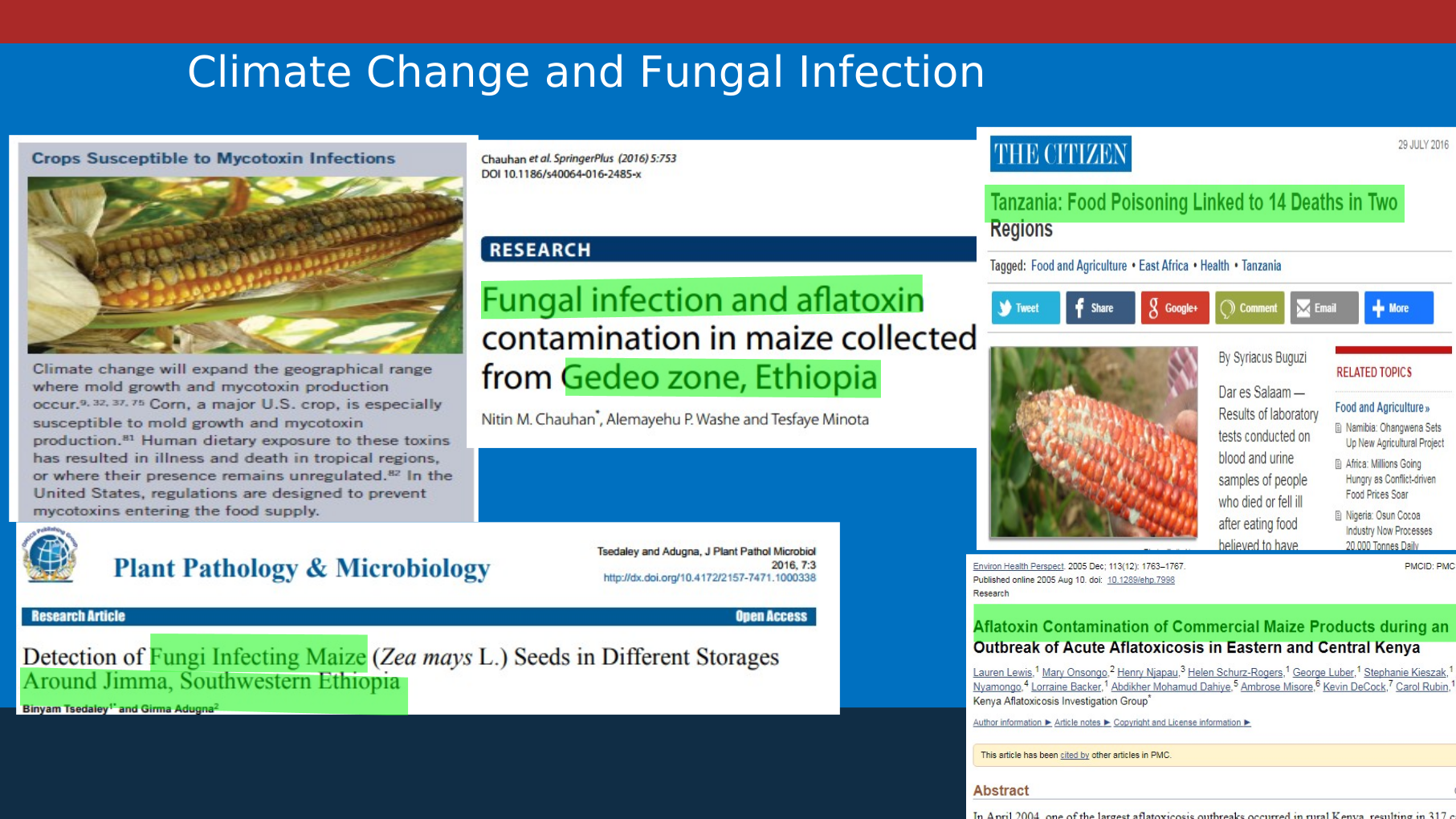
The images below illustrate the alarming prevalence of fungal infections across the Horn of Africa, particularly in Ethiopia, Kenya, Tanzania, and Uganda. In Ethiopia, there have been multiple instances where university students fell ill after consuming food tainted with aflatoxins from their campus cafeterias. This alarming situation sparked protests that highlighted the urgent need for food safety reforms. Similar outbreaks have also been observed in military training camps, raising concerns about the health of those serving in the military. Furthermore, the presence of aflatoxins has been reported in various other African countries, underscoring the urgent need for increased awareness and intervention to combat this insidious threat to public health, which is exacerbated by climate change (Dugassa 2021).
Additionally, elevated temperatures resulting from climate change can expand the habitats of insect vectors and lengthen their transmission seasons, thereby amplifying the risk of vector-borne diseases such as malaria, dengue fever, and Lyme disease in novel geographic regions. Extreme meteorological events, including floods and droughts, further exacerbate public health risks by contaminating water supplies and food sources, leading to increased incidences of diseases such as cholera, Escherichia coli, Salmonella, and Norovirus, thereby elevating the prevalence of water- and foodborne illnesses. What does it mean? The increase in temperature and humidity creates favourable conditions for certain types of microorganisms. The ways people traditionally stored food are no longer safe, and the duration is getting shorter. For instance, projections indicate that the population at risk for malaria may increase by 3% to 5% with a global temperature rise of 2 to 3°C. Warmer temperatures have been linked to elevated rates of diarrheal diseases, illustrated by a documented 200% increase in hospitalizations. Substantiating the link between warmer temperatures resulting from climate change and E. coli risks, evidence from North America and Europe shows that E. coli peaks during the summer months (Feldman et al. 2022).
As climate change transforms ecosystems and alters the intricate web of human-animal interactions, the threat of zoonotic diseases—those that leap from animals to humans—escalates dramatically. This shift not only intensifies the frequency of such diseases but also complicates the dynamics between species and their environments, creating fertile ground for unprecedented health risks.
Food insecurity and water scarcity
The loss of crops and livestock due to climate-induced droughts and floods significantly reduces food availability, which also affects food safety, mostly impacting women and children globally (Bachie 2024) The scarcity of safe water and food insecurity can lead to displacement, overcrowding, and increased strain on resources, further accelerating the spread of infectious diseases. Additionally, economic pressures and disruptions often lead to inadequate post-harvest processing and storage practices, such as insufficient drying and storage, which increases the risk of fungal growth and mycotoxin production. A decline in food production compromises quality, and desperation for sustenance may drive individuals to consume unsafe or contaminated food and water, exacerbating the health crisis.
Climate change is not only prolonging droughts but also intensifying their severity, creating a dire situation for many communities in the Horn of Africa. During these prolonged dry periods, essential water sources such as small ponds and springs—often cherished for their purity and freedom from chemical pollutants—vanish. Take, for instance, the resilient communities settled in both the highlands and lowland regions of Oromia, who have long relied on Oromia’s natural oases for their daily sustenance and agricultural needs. As these precious havens of clean water dry up, individuals are compelled to seek alternative sources, typically turning to nearby rivers that are, unfortunately, polluted by agricultural runoff (Bachie and Burayu 2024), industrial waste, and human waste from cities and towns.
This alarming trend is a stark reminder that as the impacts of climate change escalate, the dire threat of water scarcity forces communities into a precarious situation: relying on increasingly contaminated water supplies. The repercussions of consuming such polluted water are severe, significantly heightening the risk of various cancers among the population. Recent studies have indicated a troubling rise in cancer rates across Oromia. This development emphasizes the urgent need to delve deeper into the correlation between climate change and the worsening water crisis. Addressing this multifaceted crisis is not just an environmental necessity; it emerges as a critical public health intervention that demands immediate attention and action. Ignoring the intertwining of climate change, water scarcity, and health outcomes could have devastating consequences for countless lives in the region.
Population Displacement
As climate change intensifies, leading to extreme weather events, such as devastating droughts and catastrophic flooding, it results in displacement. These harsh conditions compel individuals and families to abandon their homes and familiar surroundings in a desperate search for essential resources—food, water, and pasture for livestock. As they embark on this perilous journey, the struggle for survival intensifies, heightening the risk of competition over dwindling resources and escalating violence within and between communities (Dugassa 2023). In the Horn of Africa, this cycle of climate-induced displacement has resulted in millions of refugees and internally displaced persons (IDPs), each facing a daunting reality. Displacement signifies not just the physical act of leaving home; it embodies the profound loss of stability and security. Families are forced to relinquish the scant resources they possess and embark on arduous, long-distance treks without access to food or clean water, further exacerbating food insecurity.
Moreover, climate change directly expands the geographic distribution of disease vectors, such as mosquitoes and ticks, while also facilitating the transmission of water- and foodborne illnesses. Furthermore, climate-induced displacement increases exposure to new diseases and the dissemination of existing ones into previously unexposed populations. For example, during the 1985/6 famine, the Ethiopian government forcefully removed the starving people from the North and settled them in Western Oromia. Bilharzia, also known as Schistosomiasis, the infectious disease common in Northern Ethiopia brought by the settlers, became a heavy burden on the locals (Dugassa 2025).
Bilharzia[1] is an acute and chronic disease caused by parasitic flatworms, schistosomes or blood flukes. It is one of the neglected tropical diseases and is second only to malaria in terms of the number of people it affects worldwide. Parasitic worms called schistosomes (or blood flukes). The geographic spread of schistosomes is primarily driven by the movement of humans and animals, coupled with the presence and migration of their essential intermediate snail hosts. Schistosomes have a complex life cycle involving two hosts: the definitive host, which includes humans and various mammals, and the intermediate host, a freshwater snail. For Schistosomiasis to be introduced and take root in a new region, two critical components must converge: an infected definitive host and a compatible freshwater snail species thriving in the local water systems. Until the significant resettlement program of 1985/86, which saw populations from the North relocated to Western Oromia, there were no recorded instances of schistosomes in this area. This absence of the disease suggests that prior to the arrival of new settlers, the necessary intermediate host—the freshwater snail—was already present in the ecosystem. The introduction of the definitive host through human movement subsequently triggered the emergence of Schistosomiasis, highlighting the intricate interplay between human activity and disease ecology in shaping the landscape of public health (Dugassa 2025).
Also, as they move away from their communities, they encounter other groups similarly grappling with survival, each vying for limited support and shelter. This upheaval disrupts critical health care services, including immunizations and maternal and child health programs, leaving vulnerable populations exposed to heightened risks, such as poor sanitation, overcrowding, and malnutrition. The reality of displacement also fosters risky coping mechanisms and leads to the tragic loss of life. Furthermore, uprooted individuals are increasingly susceptible to both familiar and novel pathogens, heightening public health challenges. Over the past sixty years, communities in the Horn of Africa have witnessed the alarming prevalence of public health crises linked to climate change. Coupled with rising food insecurity and chronic malnutrition, the toll of these health emergencies is growing ever more severe, threatening the very fabric of affected societies (Dugassa et al. 2021).
The health risks faced by displaced individuals due to climate change are multifaceted. When communities are forced to abandon their homes, they often congregate in overcrowded camps that lack adequate infrastructure. These temporary shelters frequently suffer from insufficient access to clean water, proper sanitation and adequate food, creating an environment ripe for the spread of infectious diseases and violence. Coupled with limited resources, these conditions significantly heighten the dangers of malnutrition and violence among vulnerable populations. Displacement not only disrupts the physical well-being of individuals but also fractures the social fabric of families and communities, leading to emotional and psychological distress. Furthermore, this upheaval severely limits access to essential health services, including maternal care and vital vaccination programs, ultimately jeopardizing the overall health and stability of these displaced populations (WHO Factsheet).
The mental health impacts of displacement caused by climate change are profound and traumatic. Displacement entails the loss of property, safety, and community, resulting in significant emotional repercussions. This trauma encompasses the loss of livelihoods, livestock, homes, and loved ones, as well as the anxiety stemming from chronic food insecurity. Together, these factors significantly elevate the burden of mental health issues and distress among affected populations. For instance, family and community members who can no longer secure the essentials of life—such as food, shelter, and safety for their children and the elderly—often feel helpless, leading to depression and a decline in self-esteem. The World Health Organization has emphasized the interconnectedness of mental, physical, and social health, stating, “No health without mental health.” Consequently, compromised mental health plays a crucial role in shaping overall physical and social well-being.
Compounding Factors
The climate crisis in the Horn of Africa serves as a threat multiplier, exacerbating a range of health impacts in complex and multifaceted ways. Climate change is leading to crop failures and disruptions in livestock production, which in turn exacerbate poverty levels and contribute to social and economic instability (WHO 2022, 2024). Instability leads to violence and displacement. Additionally, climate change extends the duration of conflicts and instability, which in turn damages critical infrastructure, such as healthcare facilities and water systems, and hampers humanitarian access for vulnerable populations. The limited resources that could have been utilized for recovery and adaptation are often consumed by these crises. The intersection of poverty and instability results in under-resourced public health systems. Consequently, countries in the Horn of Africa find themselves lacking the capacity, surveillance, and resources needed to adequately respond to the increasing demands brought on by extreme weather events and multiple simultaneous outbreaks.
Strategies to Foster Resiliency to Climate Change
Although the Horn of African nations contribute minimally to global climate change, they experience a disproportionate share of its adverse effects. Former colonial powers, who played a significant role in Africa’s environmental degradation, have largely failed to acknowledge or accept responsibility for both historical and ongoing impacts. This context highlights the necessity for communities in the Horn of Africa to strengthen their capacity for developing locally driven solutions. Addressing these challenges effectively requires coordinated management of both human and natural resources among Horn of Africa countries. Furthermore, regional organizations such as the Intergovernmental Authority on Development (IGAD) and international partners are increasingly prioritizing long-term resilience over short-term emergency aid. IGAD’s climate adaptation strategy emphasizes that climate change and variability continue to undermine regional efforts, and it calls for enhanced regional integration and cross-border collaboration (IGAD 2023).
One of the key focuses should be water resource management that entails the effective and sustainable use of both groundwater and surface water, including rivers. Harnessing rivers and groundwater reserves represents a large-scale initiative that necessitates investment in climate-smart solutions for aquifer management. Such efforts can significantly enhance and stabilize the water supply in regions that suffer from chronic water shortages. These projects require collaborative efforts among states.
Another important initiative is water harvesting. Climate change contributes not only to droughts but also to flooding. Therefore, promoting water harvesting techniques, such as the construction of dams, check dams, and household cisterns, is essential for capturing and storing rainwater during brief, intense wet seasons to use during times of drought. Additionally, integrated water management is crucial. This integration involves developing regional water policies and information systems to manage transboundary water resources more effectively.
The highlands of Oromia possess a substantial water supply, supporting agriculture and human settlements. Oromia contributes over 80 percent of the water to both the Blue and White Nile (Dugassa et al. 2021). It is also the source of several major rivers, including the Awash, Wabi Shebelle, and Juba Rivers, which originate in fertile highland valleys. These rivers provide essential fresh water to the Afar and Ogaden regions of Ethiopia and Somalia, ensuring year-round access for communities. The Awash and Wabi Shebelle rivers terminate in marshlands or dissipate into sands and lakes, where the water eventually evaporates, leaving behind mineral deposits. In contrast, the Juba River passes through Somalia and discharges into the Indian Ocean. The Nile River subsequently sustains the regions of Sudan and Egypt, supporting diverse ecosystems along its course. Effective management of these river systems is critical for mitigating water scarcity and food insecurity, and for preventing regional conflicts.
An effective management plan should integrate climate-smart agricultural practices, including promoting and adopting drought-resistant crop varieties, as well as advanced techniques such as conservation tillage, agroforestry, and sustainable land management. In this context, Dr. Oli Bachie has provided specific guidance on climate-smart agriculture, emphasizing community participation and the use of local knowledge.
The guidance provided by Dr. Bachie resonates deeply with the principles of public health “upstream thinking.” One notable recommendation is agroforestry, which involves cultivating diverse plant species that not only safeguard the land but also yield nutritious food. This approach underscores the vital connection between ecosystem health and the critical issues of food security, water scarcity, and the mitigation of certain infectious diseases (Agyarko et al. 2025). By focusing on nurturing our natural environments, Dr. Bachie’s advice highlights the proactive measures necessary to foster sustainable communities and promote overall well-being.
Climate change also poses a significant threat to livestock production. This necessitates the development of climate-smart practices by policymakers. Pastoralists and mixed agriculturalists must receive adequate support through policies that acknowledge their unique circumstances. This includes initiatives aimed at reducing the risk to pastoral economies, which primarily rely on livestock, as well as those for mixed agriculturalists who are somewhat dependent on livestock. Innovative solutions, such as comprehensive asset protection mechanisms against drought-related losses, are crucial for enhancing resilience. Additionally, supporting communities in diversifying their livelihoods beyond rain-fed agriculture and livestock is vital in reducing reliance on a single, climate-vulnerable sector.
For the people in the Horn of Africa cattle are more than just livestock; they are a lifeline, delivering critical food sources such as meat and nourishing milk. Beyond their nutritional value, cattle skins are transformed into crafted rugs and durable shoes. At the same time, their horns can be skillfully shaped into unique cups, highlighting the resourcefulness of the people. Meat serves as a vital source of protein and iron, both of which are essential for maintaining robust health, especially in vulnerable populations such as children. Meanwhile, milk stands out as an excellent source of calcium, playing a crucial role in the growth and development of strong bones and teeth. In this way, cattle are not just animals; they embody the resilience and resourcefulness of a culture deeply connected to the land and its challenges.
To develop a vision and strategy for sustainable livestock production and to gain insight into effective climate-smart practices and policies, we asked Dr. Fantahun Diba to come up with the best practice. He specializes in Veterinary Medicine and has been conducting research in this field. Box-2 contains our correspondence with Dr. Diba, along with his response.
As noted earlier, while the contribution of the Horn of African people to climate change is minimal, they bear a disproportionate burden of its impacts. Addressing the complex problems that climate change poses and preparing for its effects necessitates a multifaceted approach. The state, communities, the business sector, religious institutions, and other stakeholders need to collaborate in these efforts. Engaging local communities and utilizing Indigenous Knowledge Systems—such as traditional practices that promote harmonious living with the natural environment—are crucial components of this strategy.
Climate change presents complex challenges that extend beyond national borders. Mitigation efforts in one country, or the failure to make such efforts, can have positive or negative impacts on others, highlighting the need for collaborative actions among institutions in the Horn of Africa. Policymakers must prioritize an integrated, cross-sectoral approach to address these issues effectively. Proactive institutions play a crucial role in anticipating, preventing, and minimizing the effects of climate change. Achieving this requires continuous data collection to inform evidence-based policies and decisions. For instance, Ethiopia has implemented a strategy focused on tree propagation to combat deforestation. Building upon Ethiopia’s experience and enhancing these efforts is vital. This initiative should involve the design of forests that provide both income and food for local communities. One critical area of research is the selection and adoption of tree species. The olive tree, known as ejjersa in the Oromo language, is prevalent in the Horn of Africa but does not produce oil. However, there are thousands of olive tree varieties that do yield oil. Researchers should explore which oil-producing varieties can thrive in the Horn of Africa’s environment. Once established, olive trees can provide oil for several hundred years.
Establishing an integrated disaster response system is crucial. Here are two compelling reasons why such a system is necessary. First, malaria is widespread across all countries in the Horn of Africa. The disease does not recognize borders, so implementing preventive strategies in one or several countries can yield benefits for all. Second, factors such as famine and conflict lead to displacement, which, alongside poor sanitation and malnutrition, exacerbates the spread of infectious diseases like cholera and measles. Displacement occurs both within countries and across borders. By developing a regional integrated disaster response, we can mitigate and prevent the adverse effects of displacement. Furthermore, creating such an institution can help prevent conflicts. By applying public health methods, disaster response organizations can effectively counteract these problems.
Second, food insecurity severely compromises individuals’ immune systems. When the immune system is weakened, both harmful and benign microorganisms can pose a threat to human health. These microorganisms have the potential to mutate and spread to other countries through displacement and migration. At the time of drafting this paper for publication, millions of individuals across the region require food assistance, particularly in parts of South Sudan, which are facing conditions that could lead to famine. Ongoing conflicts in Sudan and Ethiopia continue to drive significant internal and cross-border displacement, exacerbating the overall humanitarian crisis throughout the region. Developing an integrated disaster response is crucial for preventing crises and mitigating the spread of these challenges to other countries.
Climate Finance
Climate change represents one of the most urgent challenges of the twenty-first century, threatening ecosystems, livelihoods, and public health. The accelerating pace of climate change highlights the need for immediate, coordinated global action. This paper systematically examines the extensive impacts of climate change, with a particular focus on the Horn of Africa, and investigates proactive strategies that resilient communities may employ to prepare for and mitigate these effects. Notably, this analysis does not address the critical issue of preventing pollution at its source, which remains a fundamental component of the broader environmental crisis. At the time of researching and writing this paper, two major conflicts were ongoing: the war between Russia and Ukraine, supported by NATO, and the conflict involving the United States, Israel, and Iran. These unnecessary wars contribute to environmental pollution and disrupt the supply of fertilizer and other essential raw materials needed for agricultural production, as well as fuel for farming equipment. Their repercussions are felt not only locally but also ripple across continents, compounding climate-related vulnerabilities. The African proverb says, “When two elephants fight, it is the grass that suffers,” and, in the same analogy, those wars contribute to climate change and create complex social problems in the Horn of Africa.
Public health professionals must embrace an “upstream level” approach, emphasizing prevention rather than merely reacting to the consequences of environmental degradation. It is imperative to devise robust strategies that not only hold polluters accountable for the extensive damage they have inflicted and continue to inflict but also advocate for systemic changes that support sustainable practices. In this endeavour, the principles embedded in the Universal Declaration of Human Rights (UDHR), formulated during the inception of the United Nations, stand as invaluable resources. Similarly, the guiding tenets of the World Health Organization serve as a framework for action, enabling us to address the interplay between human rights and environmental health in our pursuit of a healthier and more sustainable future.
Human rights are recognized as both morally and legally valid claims that demand respect and protection. The principle of human rights establishes essential obligations, compelling states and societies to ensure that individuals can fully enjoy their lives and attain a quality of life that upholds their dignity and respect. The foundational tenets of the Universal Declaration of Human Rights (UDHR) emphasize the inherent dignity and equality of every human being. For example, Article 25 articulates "the right to a standard of living adequate for the health and well-being of himself and of his family, including food, clothing, housing and medical care and necessary social services, and the right to security …in or other lack of livelihood in circumstances beyond his control. The preamble of the WHO constitution articulates “the enjoyment of the highest attainable standard of health is one of the fundamental rights of every human being without distinction of race, religion, political belief, economic or social condition” (WHO Constitution).
In today’s world, climate change stands as the most significant threat to human welfare, jeopardizing not only the right to life but also the overall well-being of individuals and the ecosystem. The deterioration of environmental conditions exacerbates existing health issues and gives rise to new ones, underscoring the urgent need for proactive measures to prevent such problems from emerging. Notably, the negligence of states that contribute to pollution and climate change gravely infringes upon the rights of people in the Horn of Africa. This violation undermines their dignity and their right to attain the highest standards of physical and mental health, while also severely limiting their life choices. Consequently, they are exposed to the alarming risk of premature death and deprived of their fundamental rights to a healthy and secure existence. Those states and corporations responsible for climate change must be held accountable for the damage caused, including funding cleanup efforts and supporting mitigation initiatives. Worldwide, there is a strong call to enhance the flow of adaptation finance significantly. However, African countries bearing the brunt of this burden receive only a fraction of the necessary resources. Human rights can play a pivotal role in ensuring equitable distribution of these funds.
Discussions
This paper compiled evidence and presented that climate change causes multiple social problems, including food insecurity, water scarcity, infectious diseases, poverty, and violence. Complex problems require cumulative stakeholders’ efforts to contribute part of their share to prepare, manage, prevent and minimize the effects imposed by climate change. Applying principles of indigenous knowledge (Bachie and Burayu 2024) and fostering harmony between the social and ecological worlds is essential. All policymakers need to think and act with the environmental footprint of their policy decisions in mind, fostering harmony between society and the environment. Both private and public industries should consider their environmental footprint in their business and personal daily activities. The role of civic organizations is critical to be vigilant about what the state and industries do to the environment and advocate for social and environmental justice (Dugassa 2024). Additionally, the government should not only manage and control its own environmental impact but also oversee and guide the activities of other institutions, communities, and individuals. For instance, food insecurity and water scarcity can lead to competition for resources, potentially resulting in violence in the family, community and between communities. In such instances, the state’s response should extend beyond conventional law enforcement measures. Instead, the focus should be on ensuring food security, addressing water scarcity, and fostering reconciliation.
Although the contribution of people in the Horn of Africa to climate change is limited, they are conditioned to carry a heavy burden. Industrialized countries have a significant footprint on climate change. Worsening climate trends: rising temperatures, flooding, deforestation, and the reemergence of infectious diseases, impacting the ability of people to produce, preserve, and transport food and limiting their choices in life. The colonial and postcolonial policies kept the African economy on the edge, making it vulnerable to a slight fluctuation. This makes the Horn of African people more vulnerable. In other words, as the Western World improved its quality of life at the cost of the environment, it dumped its burden on the African people. This is the violation of Article 25 of UDHR that states "the right to a standard of living adequate for the health and well-being of himself and of his family, including food, clothing, housing and medical care and necessary social services, and the right to security …in or other lack of livelihood in circumstances beyond his control.
Now more than ever, collecting data and formulating evidence-based policies are crucial. In our observations, countries in the Horn of Africa are falling behind in their data collection efforts. Addressing challenges, synthesizing knowledge, and crafting effective policies depend on robust data collection. Without such data, meaningful analysis becomes nearly impossible, and especially in the context of climate change, it is simply unrealistic. Data collection and interpretation are essential tools for policymakers to develop informed, evidence-based policies. The Horn of African countries would better improve their preparedness to climate change and the standard of living of their people by investing in knowledge construction and synthesis. It is the data collection, evaluation, and the development of sustainable actions that would ensure the safety and security of people in the Horn of Africa and foster their socio-economic and ecological sustainability.
Climate change poses complex challenges in the Horn of Africa. Addressing these challenges requires establishing resilient institutions and developing skilled human resources. Expanding access to education and improving its quality across primary, secondary, and tertiary levels are critical measures. Furthermore, enhancing research capacity and implementing evidence-based social policies are vital. Reforming the education system to promote a comprehensive understanding of the social determinants of learning is necessary. Discriminatory education policies hinder social transformation and diminish preparedness for climate change, and therefore must be eliminated (Dugassa 2026). Effective responses to climate change also depend on culturally relevant curricula and worldview that reflect local knowledge and lived realities (Dugassa 2022). Collaborative partnerships between governments, communities, and educational institutions can foster innovative solutions and bolster adaptive capacity. Ultimately, prioritizing equity and inclusion in education helps build a more resilient society able to withstand environmental shocks.
Learning Points
This paper identifies six key learning points. First, climate change presents complex challenges. Although certain issues are well understood, many remain hypothetical. The evolving nature of climate threats necessitates adaptive approaches. To improve understanding of these impacts and enhance societal preparedness, countries in the Horn of Africa must strengthen data collection and knowledge development. Achieving this objective requires societies to foster conditions that support children’s full development and demonstrate a strong commitment to lifelong learning.
Second, climate change generates competition among family members, communities, and nations. These rivalries often divert attention from collective goals. Such competition can hinder efforts to address the issue at its root causes. Effectively confronting the multifaceted challenges of climate change necessitates cooperation and coordination among countries, institutions, and stakeholders. The present research demonstrates that interdisciplinary collaboration improves understanding and supports the resolution of complex problems.
Third, responses to the complexities of climate change should extend beyond government departments to include private industry, civic and religious organizations, communities, families, and individuals, all of whom have essential roles to play. Collaboration at every level strengthens resilience and fosters innovative solutions. As equally as the states, the civic organizations need to coordinate their efforts across the border.
Fourth, the countries that have contributed most to climate change are not facing the extreme challenges that people in the Horn of Africa face. This disparity in vulnerability often leads to a lack of urgency in global policy alignment. For that reason, they are not ready to align their policies with environmental sustainability. This necessitates that people in the Horn of Africa fully take on the issue of climate change and proactively advocate for sustainable development. Moreover, fostering regional collaboration and knowledge sharing can amplify advocacy efforts and strengthen the region’s collective resilience.
Fifth, indigenous Horn of Africa knowledge should be integrated into climate change solutions. For instance, Oromo indigenous knowledge offers a holistic approach, and it can provide tools to address the impacts of climate change and promote harmony between social and natural systems. Indigenous practices, refined over generations, embody practical strategies for resource management and resilience. Including such a knowledge system in the educational curriculum can foster sustainable development and protect the ecosystem. Using indigenous knowledge to address the complex challenges posed by climate change constitutes building on local capital. Applying such knowledge is culturally acceptable and financially feasible.
Sixth, Artificial Intelligence (AI) can play a vital role in data collection, analysis, and knowledge synthesis to understand the impacts of climate change and develop policies. Leveraging AI-driven insights can help policymakers make informed, timely decisions in response to emerging environmental threats. Countries in the Horn of Africa should continuously strive to generate data and advance AI capabilities.
Transmission of schistosomes occurs through contact with freshwater contaminated with the parasites (larval forms called cercariae) released by infected freshwater snails. The larvae penetrate the skin upon contact.